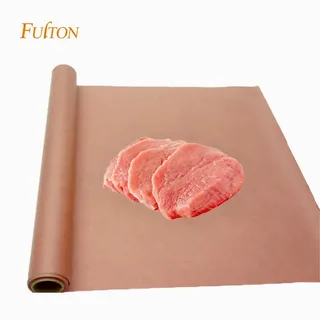
When it comes to preserving meat, choosing the right packaging is crucial for maintaining freshness, flavor, and quality. Among the various options available, butcher freezer paper stands out as a popular choice for both home cooks and professional butchers. This specialized paper not only protects meat from freezer burn but also ensures that it remains flavorful and safe for consumption. In this article, we will explore the features, benefits, uses, and best practices for using butcher freezer paper.
What is Butcher Freezer Paper?
Butcher freezer paper is a type of heavy-duty paper specifically designed for wrapping meat. Unlike regular paper or plastic wrap, it has a moisture-resistant coating that protects against freezer burn, a condition that can dry out and spoil food. Typically, butcher freezer paper comes in two forms: kraft paper and plastic-coated paper. The kraft paper is sturdy and breathable, while the plastic-coated version provides an extra layer of moisture protection.
Benefits of Using Butcher Freezer Paper
Prevention of Freezer Burn
Freezer burn occurs when air comes into contact with the surface of food, causing dehydration and oxidation. This can lead to an unpleasant taste and texture. Butcher freezer paper effectively seals out air, minimizing the risk of freezer burn and helping your meat retain its original quality.
Moisture Retention
Butcher freezer paper is designed to retain moisture while still allowing for some breathability. This is important because it helps to keep the meat juicy and flavorful. By using this specialized paper, you can prevent the drying out of meat during long-term storage.
Versatile Uses
Butcher freezer paper is not limited to just wrapping meat. It can also be used for:
- Fish and Poultry: Ideal for wrapping fish filets, chicken breasts, and other types of poultry to preserve their freshness.
- Game Meat: Perfect for hunters looking to store venison or other game meats, maintaining flavor and quality.
- Crafting Projects: Many people also use butcher paper for arts and crafts, due to its durability and aesthetic appeal.
Environmentally Friendly
Many butcher freezer papers are made from recyclable materials, making them an environmentally friendly choice compared to plastic alternatives. By using butcher freezer paper roll, you can reduce your environmental impact while effectively preserving your food.
Cost-Effective Solution
Butcher freezer paper is a cost-effective option for meat storage. It is typically less expensive than vacuum-sealing systems or specialized plastic wraps, making it a great choice for budget-conscious consumers.
How to Use Butcher Freezer Paper
Using butcher freezer paper is straightforward, but following some best practices can help ensure optimal results:
Preparation
Start by gathering your materials: butcher freezer paper, tape or freezer-safe butcher string, a sharp knife or scissors, and a clean workspace. Ensure that the meat is fresh and clean before wrapping.
Cut the Paper
Cut a sheet of butcher freezer paper large enough to fully wrap the piece of meat. Ideally, you should have enough paper to overlap and create a tight seal. A general rule of thumb is to use a sheet that is at least 2-3 inches larger than the meat on all sides.
Wrapping the Meat
Place the meat in the center of the paper. Fold one side over the meat and press down firmly. Then, fold in the sides, tucking them under the meat. Finally, fold over the last side, ensuring it is snug. This will help to minimize air exposure.
Securing the Package
Use freezer tape or string to secure the wrapped meat. Make sure the seal is tight to prevent any air from getting in. If you’re using string, tie it in a knot to hold everything in place.
Labeling
Don’t forget to label your packages! Use a permanent marker to write the date and type of meat on the package. This will help you keep track of what you have in your freezer and ensure that you use older items first.
Best Practices for Storing Meat in the Freezer
Temperature Matters
Ensure your freezer is set to 0°F (-18°C) or lower. This is essential for preserving meat quality and safety. Regularly check your freezer’s temperature to ensure it remains consistent.
Avoid Overloading
While it may be tempting to fill your freezer to capacity, overloading can impede proper airflow and affect freezing efficiency. Make sure there is enough space for air to circulate around the packages.
Use Within Recommended Timeframes
Even with proper packaging, different types of meat have varying recommended storage times. For example, beef can generally last 6 to 12 months, while chicken is best used within 1 year. Always check guidelines for specific types of meat to ensure quality.
Conclusion
Butcher freezer paper is an essential tool for anyone looking to preserve meat effectively. Its ability to prevent freezer burn, retain moisture, and provide versatile uses makes it a favorite among home cooks and professionals alike. Additionally, its environmentally friendly nature and cost-effectiveness add to its appeal. By following best practices for wrapping and storing meat, you can ensure that your food remains fresh and flavorful, ready to be enjoyed whenever you need it. Whether you’re a seasoned chef or a home cook, incorporating butcher freezer paper into your food storage routine is a smart choice that will pay off in delicious meals.