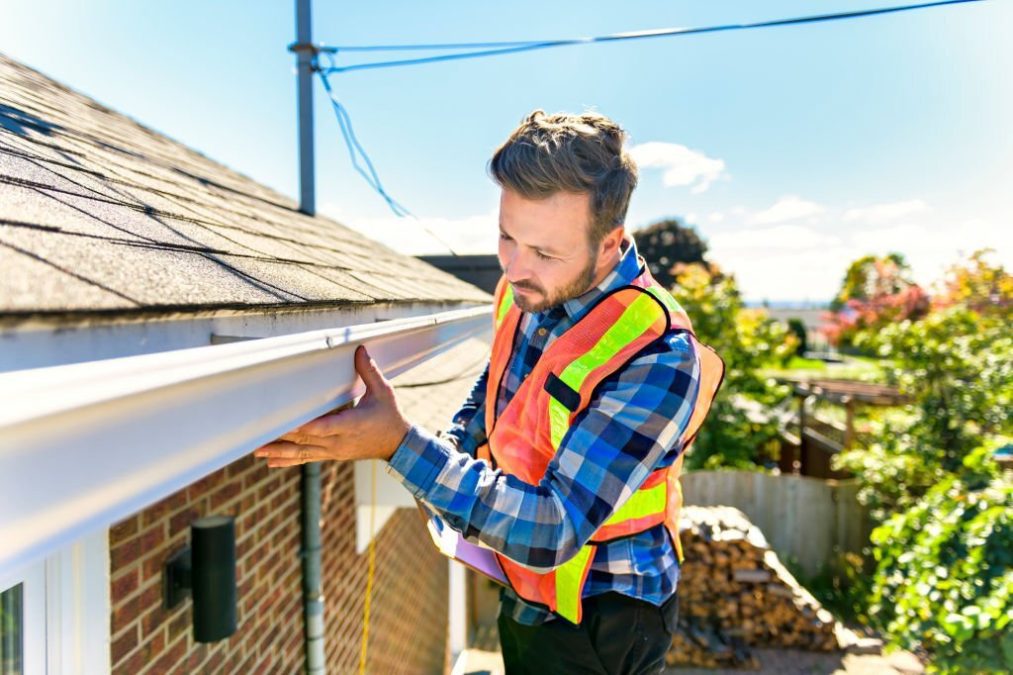
When you’re in the market for a new home in Dallas, one of the most crucial steps in your journey is finding a reliable home inspector. With so many home inspectors in Dallas to choose from, it can be overwhelming to know where to start. But fear not! This guide will walk you through everything you need to know about selecting the perfect home inspector for your needs.
Why Home Inspections Matter
Before we dive into the nitty-gritty of choosing a home inspector, let’s talk about why home inspections are so important. Think of a home inspection as a thorough physical exam for your potential new home. It’s like sending your house to the doctor for a check-up!
The Hidden Secrets of Houses
Houses can be sneaky little things. They might look all pretty and perfect on the outside, but underneath that fresh coat of paint could be a whole world of problems just waiting to surprise you. That’s where our trusty home inspectors come in. They’re like detectives, sniffing out all the hidden issues that you might not spot during a casual walkthrough.
Saving You from Costly Surprises
Imagine this: You’ve just moved into your dream home, and suddenly, bam! The roof starts leaking, or the foundation is cracking, or worse – the whole place is infested with termites! Yikes! A good home inspection can save you from these nasty (and expensive) surprises. It’s like having a crystal ball that shows you potential future headaches before they happen.
What to Look for in a Home Inspector
Okay, so now that we know why home inspections are super important, let’s talk about what makes a great home inspector. After all, not all heroes wear capes – some carry clipboards and flashlights!
Experience and Qualifications
First things first, you want someone who knows their stuff. Look for home inspectors who have been in the game for a while. Experience is key in this field because, let’s face it, houses can be full of surprises, and you want someone who’s seen it all.
But it’s not just about years on the job. Check for qualifications too. In Texas, home inspectors need to be licensed by the Texas Real Estate Commission (TREC). Don’t be shy about asking for their license number – any reputable inspector will be happy to provide it.
Comprehensive Inspection Checklist
A good home inspector should have a checklist longer than your grocery list during Thanksgiving week. We’re talking about checking everything from the roof to the foundation and all the nooks and crannies in between. Here’s a quick rundown of what should be on their radar:
- Structural elements (walls, ceilings, floors, roof)
- Exterior (siding, grading, drainage)
- Roof system (shingles, flashings, chimneys)
- Plumbing system
- Electrical system
- Heating and air conditioning systems
- Interior (doors, windows, insulation)
- Ventilation
- Fireplaces and chimneys
- Attic and visible insulation
Clear Communication Skills
You want an inspector who can explain things in plain English, not someone who talks like they swallowed a technical manual. A great inspector will walk you through their findings, answer your questions, and maybe even throw in a joke or two to lighten the mood when they find that the previous owner thought duct tape was an acceptable way to fix plumbing issues.
Timeliness and Professionalism
Time is of the essence when you’re buying a home, especially in a hot market like Dallas. Your inspector should be punctual and provide you with a detailed report promptly after the inspection. Professionalism also means being respectful of the property and the current owners – no muddy boots on the carpet or leaving a trail of destruction in their wake!
The Inspection Process: What to Expect
Now that you know what to look for in an inspector, let’s talk about what actually goes down during a home inspection. Spoiler alert: It’s not as boring as it sounds!
Duration
A thorough home inspection usually takes about 2-4 hours, depending on the size and condition of the home. If an inspector tells you they can do it in 30 minutes, they’re either Superman or they’re cutting corners – and neither is good for your home-buying journey.
Your Involvement
Here’s a pro tip: Be there for the inspection if you can. It’s like a behind-the-scenes tour of your potential new home. Most inspectors are happy to have you tag along and explain what they’re looking at. It’s your chance to ask questions and learn about your new place.
The Report
After the inspection, you’ll receive a detailed report. This isn’t light reading – it’s more like a novel about your house. The report should include:
- Descriptions of each system and component
- Notes on any deficiencies found
- Photos of problem areas
- Recommendations for repairs or further evaluation
Understanding Inspection Findings
Alright, so you’ve got your report. Now what? Let’s break down what some of these findings might mean for you.
Minor Issues
Some findings might be no big deal – a loose doorknob here, a dripping faucet there. These are usually easy fixes that shouldn’t keep you up at night.
Major Concerns
Other issues might be more serious. Things like foundation problems, major roof damage, or electrical systems that look like they were installed by a squirrel on caffeine. These are the kinds of issues that might make you reconsider your offer or at least ask for some serious repairs.
Safety Hazards
Some findings are all about safety. Faulty wiring, gas leaks, or mold issues fall into this category. These aren’t just about protecting your wallet – they’re about protecting you and your family.
Future Maintenance Heads-Up
Your inspector might also point out things that are fine now but could become issues down the road. Think of these as a friendly heads-up from your future self.
Red Flags to Watch Out For
While we’re on the topic of findings, let’s talk about some red flags that should have you running for the hills (or at least reconsidering your offer):
- Foundation issues: Cracks, settling, or other structural problems can be extremely costly to fix.
- Water damage or mold: These can indicate ongoing issues and potential health hazards.
- Outdated electrical systems: Knob-and-tube wiring or overloaded electrical panels are fire hazards waiting to happen.
- Plumbing nightmares: Old pipes, poor water pressure, or sewage issues can turn your dream home into a money pit.
- Roof problems: A roof nearing the end of its life or showing signs of major damage can be a huge expense.
How to Use the Inspection Report
So, you’ve got this lengthy report in your hands. What now? Here’s how to make the most of it:
Negotiation Tool
If the inspection turns up issues, you can use the report to negotiate with the seller. You might ask for repairs to be made or for a reduction in the sale price to cover the cost of future repairs.
Planning for the Future
Even if you decide to buy the house as-is, the report gives you a roadmap for future maintenance and upgrades. It’s like a to-do list for your new home.
Deal Breaker?
In some cases, the inspection might reveal issues that are deal-breakers for you. That’s okay! It’s better to find out now than after you’ve signed on the dotted line.
Questions to Ask Your Home Inspector
Don’t be afraid to ask questions! Here are some good ones to start with:
- How long have you been inspecting homes in Dallas?
- Can you explain this finding in more detail?
- Is this a major issue or a minor one?
- How urgent is this repair?
- Can you recommend any specialists for further evaluation of specific issues?
The Cost of Home Inspections
You might be wondering, “How much is this going to set me back?” Well, the cost of a home inspection in Dallas can vary, but typically ranges from $300 to $500, depending on the size and age of the home.
Remember, this is an investment in your peace of mind and potentially your wallet. A good inspection could save you thousands in unexpected repairs down the line.
Final Thoughts
Choosing the right home inspector in Dallas is a crucial step in your home-buying journey. It’s not just about finding someone with a flashlight and a clipboard – it’s about finding a partner who can guide you through one of the biggest investments of your life.
Take your time, do your research, and don’t be afraid to ask questions. A good home inspector is worth their weight in gold (or at least in the weight of all the potential repair bills they might save you from).
Remember, buying a home is exciting, but it’s also a big responsibility. A thorough home inspection is your best defense against unexpected surprises and your best friend in making an informed decision.
So go forth, find that awesome inspector, and take one step closer to your dream home in Dallas.


