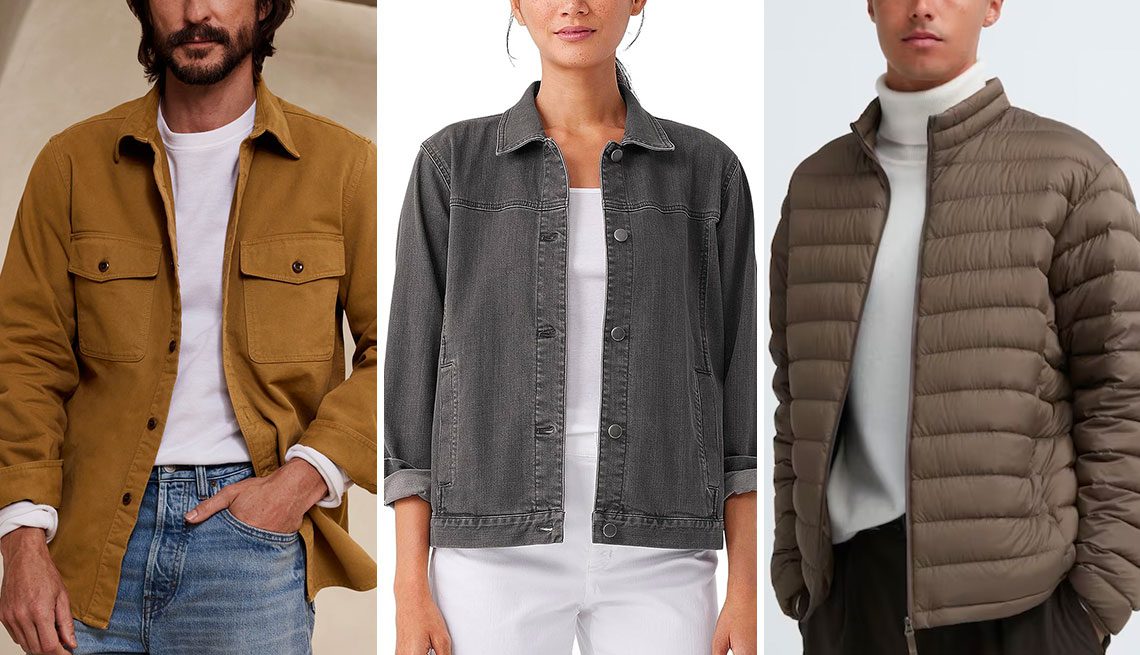
What Is an Essentials Jacket?
An essentials jacket isn’t just any jacket; it’s a foundational piece in your wardrobe that balances functionality with style. Think of it as your outerwear superhero, ready to tackle whatever the day throws at you. From casual outings to more formal gatherings, this jacket adapts to various situations, making it indispensable for anyone looking to build a versatile wardrobe.
Imagine waking up on a chilly morning, and rather than searching through a pile of clothing, you effortlessly reach for your go-to essentials jacket, knowing it will complement your outfit perfectly. This jacket should reflect your personal style while offering enough functionality to serve your daily needs, whether it’s commuting to work or running errands around town.
Why You Need an Essentials Jacket
Having a well-chosen essentials jacket is like having a reliable friend by your side—it keeps you comfortable and confident no matter the occasion. This jacket is not just about warmth; it also enhances your overall look, allowing you to express your unique style.
Picture a situation where you’re headed out with friends after a long day at work. If you have an essentials jacket that looks great over your office attire, you won’t need to change outfits; just throw it on and you’re good to go. This kind of versatility means you can spend more time enjoying life and less time worrying about what to wear.
See more: https://essentialsofficial.store/pink-essentials-hoodie/
Key Features to Look For in a Jacket
When selecting your essentials jacket, consider the following key features:
- Comfort: The jacket should feel good on your body. Pay attention to the lining; a soft lining can enhance comfort, while a rough one can irritate your skin.
- Breathability: Look for fabrics that allow air circulation, especially if you plan to wear the jacket for long periods or during physical activities.
- Water Resistance: Consider jackets with water-resistant coatings or linings if you live in a rainy area. Features like a water-repellent finish can help you stay dry without feeling clammy.
- Adjustability: Jackets with adjustable cuffs, hems, and hoods offer better protection against wind and cold, allowing you to customize the fit and comfort level.
- Weight: The weight of the jacket matters too. Lightweight options are great for layering and transitional weather, while heavier jackets provide warmth for colder climates.
These features might seem minor, but they significantly impact your overall experience with the jacket. You want something that not only looks good but also feels good to wear.
Choosing the Right Material
The material of your essentials jacket can significantly influence its functionality and style. Here’s a deeper dive into popular materials:
- Cotton: This natural fiber is breathable and comfortable but may not offer enough protection in severe weather. It’s great for spring and fall, where layering is an option.
- Wool: Perfect for colder temperatures, wool is excellent at trapping heat. Be cautious of how you care for wool; proper maintenance ensures it retains its shape and warmth.
- Leather: A classic choice, leather adds an edge to your wardrobe. Invest in quality leather to ensure it ages beautifully. A well-maintained leather jacket can last a lifetime, becoming softer and more comfortable with time.
- Synthetic Fabrics: Often designed with modern technology, synthetic materials can mimic natural fibers’ look and feel while offering superior weather resistance. Look for jackets that combine synthetic fabrics with insulation for warmth.
When considering materials, think about how they align with your lifestyle. For instance, if you often find yourself outdoors, a durable, weather-resistant material might be more suitable than a delicate cotton fabric.
The Perfect Fit: Size and Style
Fit is crucial in determining how often you’ll wear your jacket. A well-fitted jacket can make you feel confident and stylish. Here’s what to keep in mind when finding the perfect fit:
- Shoulder Fit: The seams should align with your shoulder joints, providing a natural line without pulling or sagging.
- Sleeve Length: Sleeves should fall just above the wrist bone, allowing enough room for movement without excess fabric getting in the way.
- Body Length: The jacket should cover your torso, ideally hitting just below the waist. This length provides warmth while ensuring you can move freely.
Different styles call for different fits. If you prefer a tailored look, opt for jackets with a more fitted silhouette. However, if comfort and layering are priorities, a slightly oversized fit might be the way to go.
Weather Considerations
Understanding your local climate can help you make a more informed decision when choosing a jacket. Here are specific types of jackets suited for varying weather conditions:
- For Rainy Days: A waterproof rain jacket with a breathable membrane will keep you dry without trapping heat. Features like vents and adjustable hoods enhance comfort.
- For Cold Climates: Opt for a heavy-duty winter coat that has a windproof exterior and thermal insulation. Jackets with a longer length provide extra coverage against harsh winds and snowfall.
- For Mild Weather: Lightweight jackets made from breathable materials work best in transitional seasons. Look for jackets that are easy to pack away when not needed.
Evaluate how each jacket performs in different weather scenarios to find the most suitable option for your needs. This consideration ensures you remain comfortable, no matter the weather.
Versatility and Functionality
Your essentials jacket should fit seamlessly into various aspects of your life. Consider how the jacket will transition from day to night, and whether it can be dressed up or down. Here are some tips:
- Daytime to Evening Transition: A classic denim jacket can work well with a casual tee during the day and can be paired with a dressier outfit for a night out.
- Packing for Travel: Choose a jacket that’s lightweight and easy to pack. Some jackets can even be folded into their pockets for convenience.
- Mixing and Matching: Think about how your jacket complements other pieces in your wardrobe. A neutral-colored jacket can easily pair with various outfits, making it a versatile addition.
Versatility can significantly extend the life of your jacket, as it allows for greater flexibility in styling. When you can wear it in different settings, you’ll find yourself reaching for it more often.
Visit us: https://essentialsofficial.store/essentials-jacket/
Style Options: From Casual to Formal
Jackets can express your personal style, whether you’re going for a relaxed look or something more sophisticated. Explore different styles:
- Casual Styles: A bomber jacket or denim jacket is perfect for casual outings. These styles lend a laid-back vibe while still looking put-together.
- Smart Casual Options: A tailored blazer or a trench coat can elevate your outfit. These jackets work well for both casual and business settings, allowing you to easily transition between environments.
- Formal Wear: For more formal occasions, consider an overcoat or a wool blend jacket. These options provide elegance and sophistication, making them ideal for professional settings or special events.
Finding a jacket that suits various occasions will help you feel prepared for anything, whether it’s a casual brunch or a formal dinner.
Budget-Friendly vs. Investment Pieces
When shopping for jackets, it’s essential to weigh the cost against the potential longevity and quality of the piece. Here are some insights:
- Budget-Friendly Options: While there are many stylish and affordable jackets available, they may not offer the same durability as higher-end options. Fast fashion can be tempting, but remember that quality often pays off in the long run.
- Investment Pieces: Spending a bit more on a well-crafted jacket can be wise, especially if you plan to wear it frequently. High-quality jackets often feature better stitching, materials, and design, making them more comfortable and longer-lasting.
Ultimately, assess your needs and preferences to determine where your budget is best spent. If you choose wisely, even a more expensive jacket can end up being more economical over time due to its durability and versatility.
Layering and Accessories
Layering adds depth to your outfit and allows for greater flexibility in temperature management. Here are some tips for effective layering with your essentials jacket:
- Base Layer: Start with a comfortable base layer, like a fitted tee or a thin long-sleeve shirt. This layer should wick away moisture if you’re active or sweat-prone.
- Middle Layer: This layer can include sweaters or fleeces that provide insulation. Choose materials that are breathable and easy to move in.
- Outer Layer: Your essentials jacket should act as the outer layer, providing warmth and protection from the elements.
Don’t forget accessories! A stylish scarf can not only keep you warm but also add a splash of color to your outfit. Hats and gloves also provide functionality and flair during colder months.
Care and Maintenance Tips
To ensure the longevity of your essentials jacket, develop a consistent care routine:
- Routine Cleaning: Regularly clean your jacket according to its material. For most fabrics, a gentle wash and air drying can suffice, but be sure to read care labels for specific instructions.
- Stain Treatment: Treat stains as soon as they occur. Blot rather than rub to avoid spreading the stain, and use appropriate cleaning products for the fabric type.
- Storage: Properly store your jacket when not in use. Avoid hanging it on flimsy hangers, which can distort the shape; instead, use sturdy ones. For long-term storage, keep it in a breathable garment bag.
Establishing a regular care routine will help maintain your jacket’s appearance and functionality, making it a reliable part of your wardrobe for years to come.
Trends in Essentials Jackets
Stay aware of evolving fashion trends while remembering that essentials jackets should remain timeless. Here’s what to watch for:
- Oversized Fits: These jackets are both comfortable and fashionable, allowing for easy layering and a relaxed look.
- Sustainable Materials: Eco-conscious consumers are pushing for jackets made from recycled or sustainably sourced materials. This trend not only looks good but feels good, knowing you’re making a positive impact.
- Bold Colors and Patterns: While neutral colors are versatile, incorporating a jacket with a unique pattern or bold color can act as a statement piece, enhancing your wardrobe’s overall look.
By blending classic styles with current trends, you can build a wardrobe that feels both fresh and enduring.
Conclusion
In conclusion, choosing the right essentials jacket is about more than just keeping warm—it’s about expressing who you are and feeling confident in your choices. With so many options available, from materials and styles to fits and budgets, there’s a perfect jacket out there for everyone.
Take the time to consider your needs, preferences, and lifestyle before making a purchase. Remember that an essentials jacket is an investment in your comfort and style, so choose wisely. Ultimately, the right jacket will become a cherished part of your wardrobe that you reach for time and time again.
FAQs
1. How do I know if a jacket is the right size?
Ensure it fits comfortably on your shoulders and allows for layering. Test it by moving your arms and checking for enough room. A good fit should allow you to wear a light sweater underneath without feeling constricted.
2. What is the best material for a winter jacket?
Wool, down, and synthetic insulation are great for warmth. Down is known for its excellent warmth-to-weight ratio, while synthetic insulation can handle wet conditions better. A combination of materials can also provide added benefits, such as a water-resistant outer layer with a warm lining.
3. Can I wear a casual jacket to formal events?
Some casual jackets, like a well-fitted bomber or blazer, can be dressed up, but for formal events, a tailored coat is more appropriate. Consider the event’s dress code, and if in doubt, opt for something more polished.
4. How do I care for a leather jacket?
Use a leather conditioner and store it in a cool, dry place. Avoid water exposure and clean stains promptly. If it gets wet, let it air dry away from heat sources to prevent damage.
5. Are expensive jackets worth the investment?
Yes, a high-quality jacket can last for years and provide better comfort, durability, and style compared to cheaper options. Investing in a timeless design and quality materials can save you money in the long run, as you won’t need to replace it as frequently.